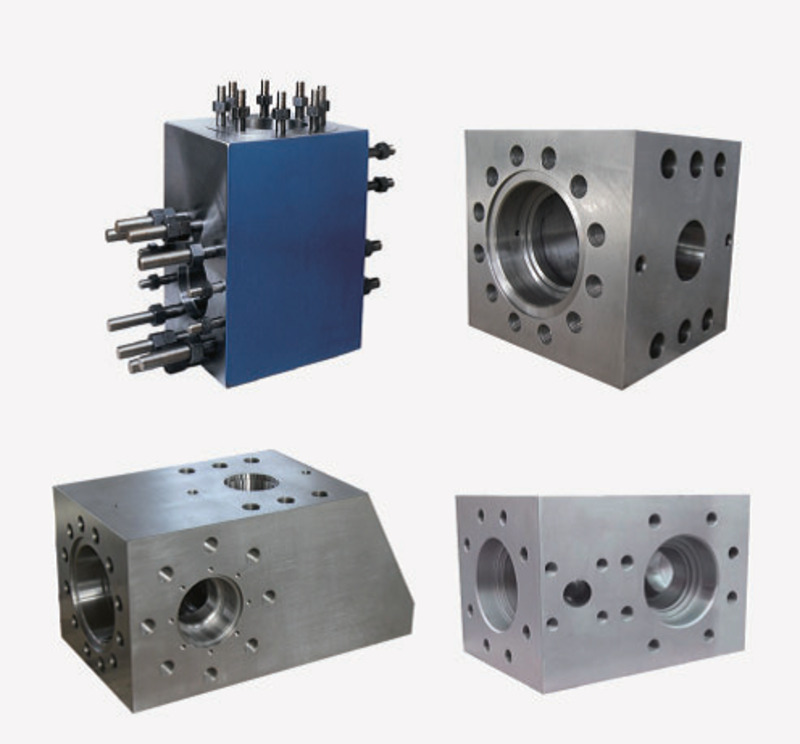

Fluid end expendables are the replaceable components that keep a mud pump sealing, moving fluid and protecting its major assemblies. Liners, pistons, valves, seats, springs, rods, gaskets and related sealing parts may be consumed at different rates, yet they work as one system. For procurement teams and maintenance crews, the goal is not simply to buy more spares. It is to specify the correct parts, store them properly, inspect them before use and replace them according to evidence from the pump and its operating history.
What Counts as a Fluid End Expendable?
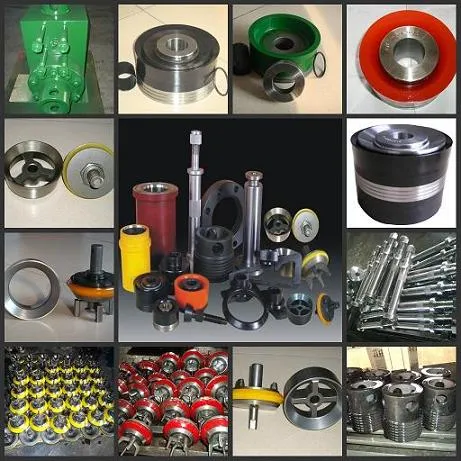
The exact supply scope depends on the pump design and contract, but a typical fluid end expendables package may include liners, piston assemblies or replacement rubbers, valves, seats, valve inserts, springs, piston rods, seals, gaskets and retention hardware. NOV’s Mission fluid end expendables overview groups liners, pistons, piston rods, drilling valves, seats, springs and fluid end jewelry within its product range. This is a useful industry reference, but the operator’s pump manual and controlled bill of materials must define the parts for a specific installation.
Expendable does not mean unimportant. A low-cost gasket or insert can influence sealing, while a mismatched piston and liner can damage each other. Procurement should therefore evaluate expendables as interacting component groups rather than isolated stock numbers.
Start With a Controlled Compatibility Record
Use more than the pump model
Record the pump manufacturer, exact model, serial number where available, fluid end arrangement and current part numbers. Include liner bore, valve size and relevant drawing revisions. Pumps may have been rebuilt, upgraded or fitted with non-original modules, so the nameplate alone may not describe every installed interface.
Match components that work together
A liner bore must match the piston size and approved sealing design. A valve, seat, insert and spring must form the intended valve assembly. Gaskets and seals must match their grooves, mating faces and fluid exposure. Ask the supplier to identify the evidence behind interchangeability: a controlled cross-reference, approved drawing or dimensional table is more reliable than a general statement that a part “fits” a brand.
Confirm the operating context
Provide the normal and maximum conditions approved for the pump, expected stroke rate, drilling-fluid information and known corrosion or solids concerns. The SLB Energy Glossary explains that drilling fluids include water-based, nonaqueous and gaseous systems with many subcategories. Material and elastomer choices therefore require actual fluid information; color or hardness alone cannot establish suitability.
Build a Better Expendables RFQ
A clear request for quotation should separate mandatory identification from optional preferences. Include:
- pump make, model, serial number and installed module details;
- OEM or controlled reference part numbers;
- liner bore and piston size;
- valve and seat size or assembly designation;
- required quantity for each item and whether sets are needed;
- available drilling-fluid composition and operating conditions;
- material or compound specification from the approved manual;
- required certificates, inspection records and batch traceability;
- packaging, preservation, labeling and shelf-life information;
- drawings and photographs when configuration is uncertain.
LONGCHAO’s fluid end package service describes packages containing pistons, valves, seats, gaskets and modules. Use that range as a starting point, then define the exact boundary on the purchase order. A “complete kit” should never be assumed to contain every site-specific item.
Evaluate Liners and Pistons as a Pair
The liner provides the working surface, while the piston creates a dynamic seal during reciprocation. Review the liner’s internal condition, dimensional records and surface finish requirements together with the piston design and compound. Do not mix sizes or reuse a damaged metal hub simply because the rubber element looks serviceable.
The site’s mud pump liner selection guide explains RFQ inputs for bi-metal and ceramic liners. Its mud pump piston product page shows bonded and replaceable configurations. Product-page claims and published service-life figures still require confirmation against the actual fluid, cooling system, pump manual and supplier documentation before they are used in a purchase decision.
Evaluate Valves, Seats and Springs as an Assembly
Valve parts control directional flow during suction and discharge strokes. Examine the complete set: valve body, insert, seat, spring and guide relationship. Mixing similar-looking generations or using an unverified spring can change seating behavior. The site’s valves and seats range provides examples of full-open, three-web and four-web arrangements, while the recent valve-seat inspection guide focuses on evidence-based failure review.
API’s Specification 7K overview lists piston mud-pump components within its scope and includes recommended nomenclature and maintenance in an informative annex. Do not convert that overview into a blanket certification claim. Confirm the applicable edition, product scope and any required marking or documentation directly with the supplier.
Incoming Inspection Before the Parts Reach the Rig
Verify identity and traceability
Compare the purchase order, packing list, labels and part markings. Keep different batches separated when traceability is required. Confirm that certificates correspond to the supplied item rather than to a generic catalog description.
Inspect condition and preservation
Look for corrosion, impact damage, contamination, distorted sealing elements, damaged threads and missing protective caps. Machined faces and sealing surfaces should remain protected until installation. Quarantine questionable items instead of moving them into general stores.
Check dimensions selectively
Use calibrated tools and the approved drawing or specification to verify critical interfaces. The inspection plan should focus on features that control fit, alignment and sealing. Avoid inventing universal tolerances; acceptance limits must come from the relevant manual, drawing or purchase specification.
Storage and Inventory Controls
Elastomers and coated metal parts can deteriorate before installation if storage is uncontrolled. Follow the manufacturer’s shelf-life, temperature, light, humidity and packaging instructions. Keep components clean, dry and protected from ozone sources, chemicals and deformation. Do not stack sealing elements in a way that produces a permanent set.
Use first-expire-first-out where shelf-life applies, and record receipt date, batch identity and storage location. Separate serviceable parts from returns and failure samples. A photograph attached to the inventory record can help prevent look-alike components from being issued to the wrong pump.
Replacement Planning Based on Evidence
Fixed replacement intervals can support planning, but they should not replace pump-specific limits and inspection findings. Track operating hours, strokes when available, fluid changes, observed wear, leakage, pressure behavior and related component failures. This record helps distinguish a normal wear pattern from an installation problem, suction issue, cooling problem or incompatibility.
Replace connected items as a set when the manual requires it or when wear on one surface may damage the mating component. Preserve failed parts until the investigation is complete. Changing several variables at once without documenting them makes the cause harder to identify.
Safe Change-Out Practices
Before opening the fluid end, follow the site’s energy-isolation procedure, stop the pump and release trapped pressure. The IADC mud pump safety guidance says to lock out the pump, release pressure and use help or lifting equipment for heavy parts. Never tighten leaking unions, valve covers or cylinder-head covers while the pump is running under pressure.
Use the manufacturer’s tooling, lifting points, lubricant, tightening sequence and verification procedure. Keep sealing surfaces clean during assembly. After change-out, complete the prescribed inspection, leak check and controlled return to service while watching for abnormal noise, vibration, temperature or pressure behavior.
Frequently Asked Questions
Can parts from different suppliers be mixed?
Only when compatibility between all mating components is documented. Similar appearance does not prove that dimensions, materials or dynamic behavior are equivalent.
Should every expendable carry a certificate?
Documentation needs vary by part and contract. Define required identity, material, inspection and batch records on the purchase order instead of assuming one certificate format suits every item.
Can elastomer color identify the compound?
No. Color can support identification only when controlled by the manufacturer. Use part numbers, batch labels and compound documentation.
Are unused old-stock seals automatically serviceable?
No. Check shelf life, storage history, packaging and physical condition against the manufacturer’s criteria before use.
What data should be retained after replacement?
Record the installed part numbers, batch identities, date, pump position, operating context, reason for replacement and observations from removed parts. This creates a useful maintenance baseline.
Final Takeaway
Reliable fluid end expendables management begins with controlled compatibility, not with a large inventory. Specify matched component groups, verify documentation, preserve parts during storage and use pump-specific evidence for replacement decisions. These steps reduce avoidable mix-ups, support safer maintenance and give procurement teams better data for future orders without relying on unverified performance promises.