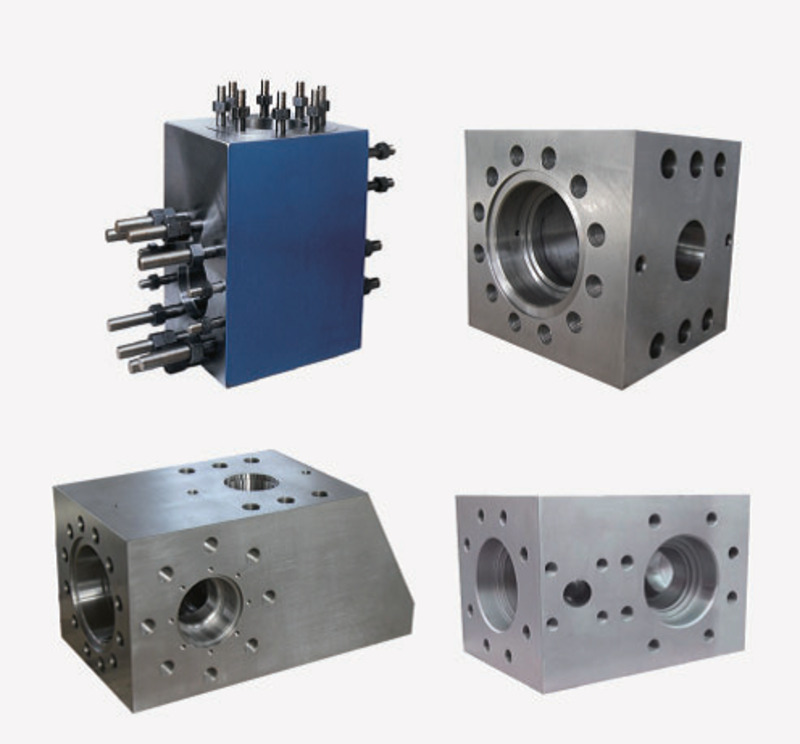

Mud pump power end parts transmit drive input into the controlled reciprocating motion that operates the fluid end. Crankshafts, pinion shafts, connecting rods, crossheads, guides, bearings, gears and related hardware work as an aligned mechanical system. A replacement that appears correct but has an unverified interface, material condition or lubrication requirement can create costly secondary damage. For buyers, drilling engineers and maintenance teams, reliable sourcing therefore begins with configuration control and continues through incoming inspection, storage, installation and operating records.
What Is Included in a Mud Pump Power End?
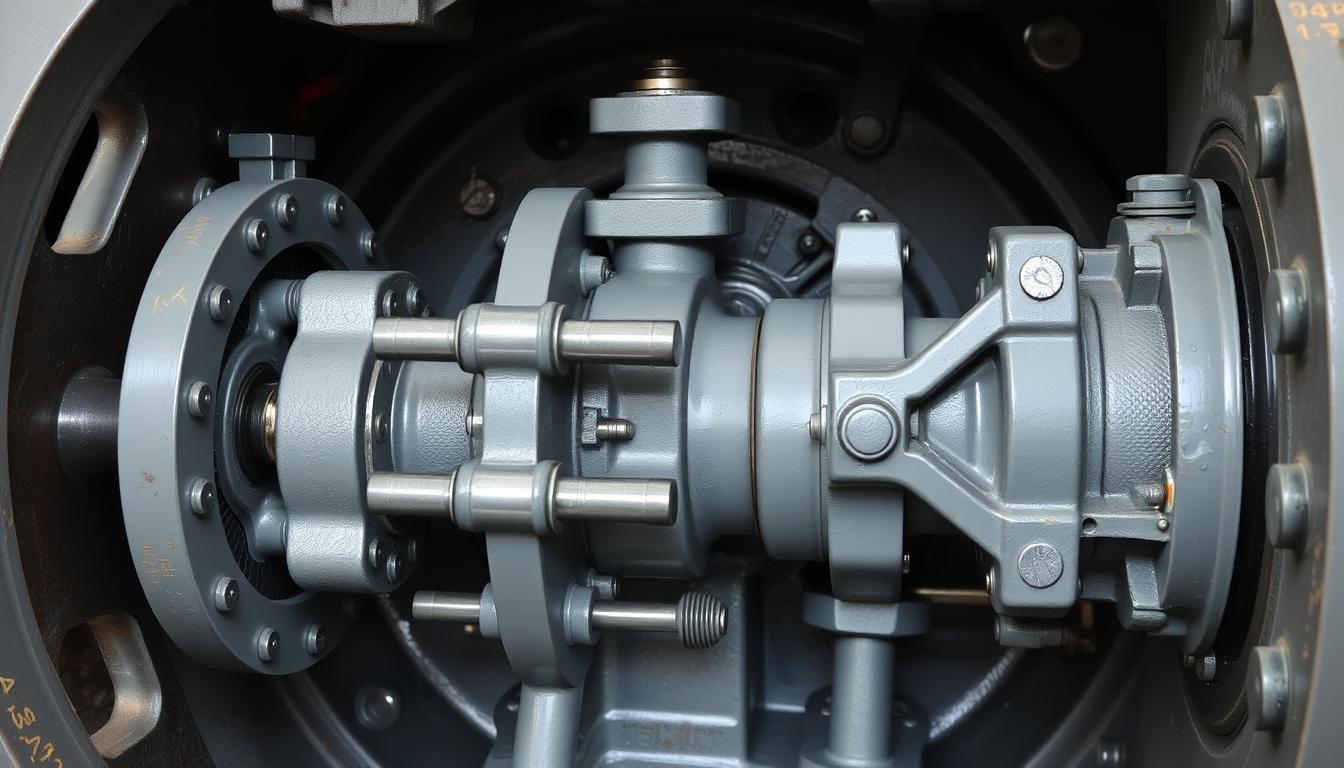
The power end converts rotary input from the drive into linear movement at the piston rod. Depending on pump design, the assembly can include a crankshaft, pinion shaft, bull gear, connecting rods, crossheads, crosshead guides or wear plates, bearings, bearing retainers, seals, lubrication components and fastening hardware. The site’s Power End Parts product page identifies crankshafts, pinion shafts, crossheads, guide plates, connecting rods, bearings and belts within its range.
That list is descriptive, not a universal bill of materials. Duplex and triplex pumps, different frame sizes and later design revisions can use different arrangements. The controlled parts manual, assembly drawing and serial-specific service history should define the supply scope for each pump.
Start the RFQ With Configuration Evidence
Identify the installed pump, not only the fleet model
Record the manufacturer, exact model, serial number, drive arrangement and any rebuild or upgrade history. Include the current part number, superseded number if known, assembly position and drawing revision. A fleet may contain pumps with the same model designation but different shafts, bearings or crosshead interfaces after years of modification.
Describe every critical interface
For a shaft, bearing or crosshead component, identify mating diameters, shoulders, keyways, splines, threads, bolt patterns and orientation features using approved drawings. Do not rely on a photograph or nominal outside dimension alone. If the supplier proposes an alternative part number, request the controlled cross-reference and the drawing characteristics used to establish interchangeability.
State the operating and maintenance context
Provide the drive type, normal operating regime permitted by the pump manufacturer, lubrication system details and observed failure evidence. Note whether the request follows routine overhaul, contamination, abnormal temperature, vibration, misalignment or an unexpected stop. This context helps the supplier understand which records and inspections matter without inviting unsupported claims about service life.
A Practical Power End Parts RFQ Checklist
A useful request for quotation should include:
- pump manufacturer, exact model and serial number;
- current and historical reference part numbers;
- assembly drawing number and revision;
- quantity, assembly position and whether matched sets are required;
- critical dimensions and fits from controlled documentation;
- material, heat-treatment and surface requirements where specified;
- required dimensional, material and inspection records;
- preservation, packaging and identification requirements;
- photos and condition notes for removed parts;
- delivery location and requested technical clarification date.
LONGCHAO’s service page describes technical and package support for oilfield equipment. Use a supplier’s published range as a starting point, then write the exact acceptance criteria into the purchase order. General statements such as “OEM compatible” should not replace part-specific verification.
Use API Information Carefully
The published API Specification 7K overview places piston mud-pump components within the specification’s scope and lists power-end parts for duplex and triplex pumps in an informative table of contents. It also identifies design, materials, quality control and records as broader topics.
This reference does not prove that a particular replacement part is certified or suitable for a particular pump. Buyers should confirm the applicable edition, product scope, purchaser requirements and any marking or documentation directly with the manufacturer. Avoid converting a reference to API 7K into a blanket certification claim.
Incoming Inspection Before Storage
Match identity to documents
Compare the packing list, purchase order, labels, physical markings and certificates. Confirm that each record refers to the delivered part and batch. Separate items when the identity is unclear, and do not issue them to maintenance until the discrepancy is resolved.
Inspect preservation and visible condition
Check for corrosion, contamination, impact damage, damaged threads, unprotected journals, burrs and missing caps. Heavy components should arrive in packaging that prevents movement and protects machined faces. Photograph the part before removing preservation so the receiving record captures its delivered condition.
Verify selected dimensions
Use calibrated equipment and the approved drawing or purchasing specification to check critical interfaces. Concentrate on features that control alignment, bearing fit, axial location, fastening and motion. Acceptance limits are design-specific; a generic internet tolerance should never be substituted for the pump documentation.
Storage Controls for Heavy Mechanical Parts
Store machined power end parts clean, dry, supported and protected from impact. Retain preservation on journals, bearing seats and threads until installation. Keep shafts or long components supported in the orientation recommended by the supplier so that handling and storage do not introduce distortion.
Record the storage location, receipt date, preservation condition and any inspection or re-preservation activity. Keep new stock, repaired parts and failure-investigation samples physically separated. Bearings and seals should remain in their protective packaging and follow the manufacturer’s shelf-life and storage instructions.
Installation and Alignment Require Controlled Procedures
Installation is not only a parts-changing task. Verify housing condition, cleanliness, shaft alignment, bearing orientation, crosshead guide condition, fastener identity and lubrication paths before assembly. Use the pump manufacturer’s tools, tightening sequence, specified clearances and acceptance checks. If wear in a mating component is outside limits, installing a new part alone may not restore the assembly.
Power end work involves stored energy, heavy parts and potential drive movement. The IADC guidance on working on mud pumps calls for locking out the pump before work and using assistance or lifting equipment for heavy components. Its separate drive-chain maintenance guidance recommends a pre-job safety meeting and isolation before repair. Site procedures and the equipment manual remain controlling.
Build a Maintenance Record That Supports Diagnosis
After installation, record the part number, batch or serial identity, pump position, date, responsible technician and relevant measurements. Retain lubrication details, alignment findings and observations from removed parts. During operation, trend the condition indicators specified by the manufacturer, such as temperature, vibration, oil condition, unusual noise or visible debris.
A single symptom rarely proves a single cause. Bearing distress can be associated with lubrication, contamination, load, fit or alignment, while uneven crosshead wear can require review of guides and connected components. Preserve failed parts and inspection evidence until the review is complete. Avoid replacing multiple variables without documenting what changed.
Coordinate Power End and Fluid End Decisions
The two assemblies perform different functions but are mechanically connected. Abnormal fluid-end loading or poor piston and liner condition can influence the load transmitted through rods and crossheads. The site’s fluid end expendables guide explains how matched components and maintenance records support replacement planning. Use both sides of the pump history when investigating repeated failures.
Frequently Asked Questions
Can a power end part be ordered from the pump model alone?
Not reliably in every case. Confirm the serial number, installed configuration, current part number and drawing revision, especially when the pump has been rebuilt or upgraded.
Does visual similarity prove interchangeability?
No. Mating dimensions, material condition, heat treatment, orientation and lubrication features must be verified using controlled evidence.
Should bearings be replaced as a set?
Follow the pump and bearing manufacturer’s procedure. The correct scope depends on the design, observed condition and mating components; do not apply a universal rule without documentation.
What should be quarantined at receiving?
Quarantine items with unclear identity, damaged preservation, corrosion, impact marks, missing documents or measurements outside the approved acceptance criteria.
What information is most useful after a failure?
Retain the failed parts, position, operating history, lubricant condition, inspection measurements, photographs and records of recent maintenance or configuration changes.
Final Takeaway
Reliable mud pump power end parts procurement is based on configuration evidence, verified interfaces and disciplined records. Define the exact pump and drawing revision, inspect critical features, preserve parts correctly and install them under the manufacturer’s procedure. These controls reduce avoidable mix-ups and give engineering teams better evidence for maintenance decisions without relying on unverified compatibility or service-life promises.