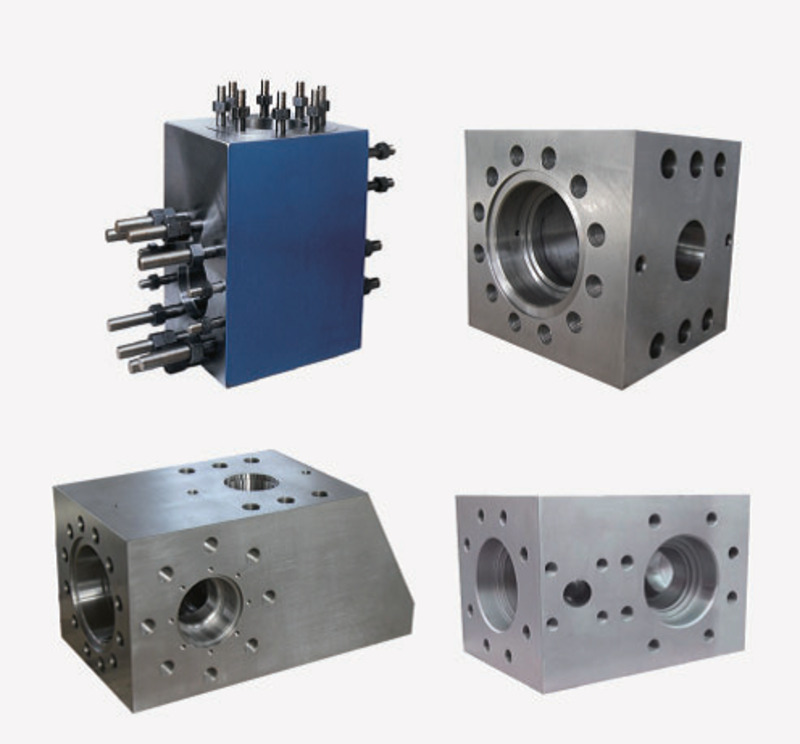

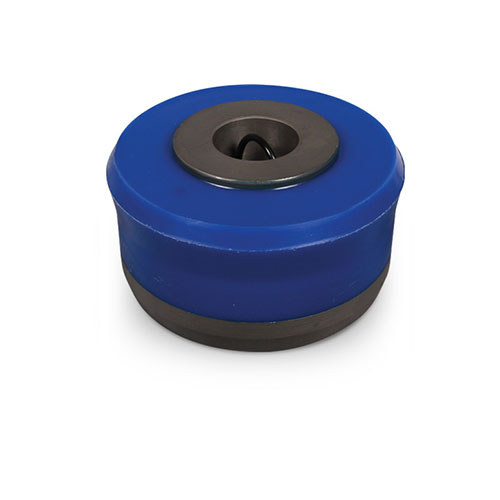
A mud pump piston is a small component with an outsized effect on drilling reliability. It creates the moving seal inside the liner, converting the pump’s reciprocating motion into drilling-fluid displacement. When the piston material, size, or installation does not match the liner and operating conditions, the result can be leakage, erratic pressure, excess heat, premature liner wear, and unplanned fluid-end maintenance.
This practical guide explains how drilling contractors, maintenance teams, and procurement specialists can evaluate mud pump pistons without relying on price alone. It focuses on application data, material selection, inspection, installation, and failure evidence—the information needed to make a defensible purchasing decision.
What a Mud Pump Piston Does
In a reciprocating mud pump, the piston travels through a replaceable liner. During each stroke, the piston-and-liner interface must maintain a dynamic seal while exposed to drilling fluid, suspended solids, cyclic loading, and frictional heat. The valves then control suction and discharge flow. This means piston performance cannot be assessed in isolation: liner condition, valve condition, fluid properties, cooling, alignment, and operating speed all influence service life.
The drilling fluid itself may be water-base, oil-base, or synthetic-base and can carry suspended solids. The SLB Energy Glossary definition of drilling mud provides useful context for why chemical compatibility and abrasive loading vary from one application to another.
Five Inputs to Confirm Before Ordering
1. Pump model and exact piston size
Start with the pump manufacturer and model, liner bore, piston hub or core configuration, and the relevant part number. Do not select a piston from a general model-family description alone. Pumps in the same family may be configured with different liner sizes, and maintenance records sometimes carry forward an obsolete part number after a fluid-end change.
Where possible, provide a photograph of the removed assembly, dimensional measurements, and the liner identification. Compare the information with the equipment manual and supplier drawing before releasing the purchase order. Our Mud Pump Pistons product page can be used as a starting point for an application inquiry, while the related mud pump piston configuration shows another available product reference.
2. Drilling-fluid system
Record the fluid base, density range, solids-control condition, temperature, and any chemical changes associated with the drilling program. Elastomer families respond differently to heat, oil, water, and chemical exposure. A compound that performs well in one mud system may swell, harden, soften, or lose sealing force in another. Ask the supplier for compatibility guidance tied to the actual fluid description rather than a generic claim of “chemical resistance.”
3. Operating pressure and pump speed
Include normal and maximum discharge pressure, typical strokes per minute, and the expected duty cycle. Higher speed increases the number of sealing cycles and can raise the importance of cooling and lubrication. NOV’s maintenance booklet for a Mission Type P triplex mud pump specifically notes that higher pump speeds require more diligent attention to the piston-liner cooling system. Always follow the manual for the actual pump in service.
4. Liner material and current condition
A new piston installed in a scored, tapered, glazed, or otherwise damaged liner may fail quickly. Inspect the liner bore and measure it according to the equipment manufacturer’s limits. Also examine the failed piston for an uneven wear pattern. One-sided damage can point toward alignment or mechanical issues rather than a simple material problem.
If the liner is also due for replacement, evaluate the pair as a system. The site’s mud pump liner procurement guide explains the broader information needed when specifying a replacement liner.
5. Traceability and quality documentation
A useful supplier quotation should identify the piston type, material or compound designation, size, compatible liner bore, and applicable drawing or part number. Request batch traceability and inspection records appropriate to the order. Do not assume that a reference to an industry standard automatically certifies every replacement component. API identifies API Specification 7K as covering drilling and well-servicing equipment, but buyers should verify the exact scope and any claimed licensing directly with the manufacturer and API.
Common Mud Pump Piston Material Choices
Many replacement pistons use an elastomer sealing element bonded or mechanically fitted to a metal hub. Common material families include nitrile-based and polyurethane-based options, but names alone are not enough to predict performance. Compound formulation, hardness, reinforcement, manufacturing control, and the operating environment all matter.
- Nitrile-based compounds: often considered where oil resistance and established field familiarity are important. Suitability still depends on temperature and the specific drilling-fluid chemistry.
- Polyurethane-based compounds: often selected for abrasion and extrusion resistance, but chemical and temperature compatibility must be verified for the job.
- Specialized compounds: may be offered for unusual temperature or chemical conditions. Require documented application limits rather than relying on a color code.
Color is not a universal material specification. Two pistons with a similar appearance can use different compounds, and the same manufacturer may change colors across product lines. Purchase against a documented description, not a visual assumption.
Installation Checklist
- Isolate and depressurize the equipment. Follow the rig’s lockout, pressure-release, and safe-maintenance procedure.
- Clean the fluid-end work area. Prevent loose debris from entering the liner or valve area.
- Inspect the liner bore. Look for scoring, abnormal polish, deposits, taper, and damage at the entry.
- Check the rod and attachment hardware. Confirm threads, shoulders, retainers, and mating surfaces are clean and serviceable.
- Use the specified assembly method. Apply only the lubricant and tightening procedure approved by the equipment or component manufacturer.
- Verify cooling or wash flow. Make sure nozzles, lines, and drain paths are open and directed correctly.
- Start under controlled conditions. Observe leakage, temperature, pressure stability, and abnormal noise before returning to full duty.
Never compensate for a fit or alignment problem by forcing the piston into the liner. Installation damage can produce an immediate leak or create a weak area that fails after only a short period of operation.
How to Read Failure Evidence
A failed piston is a diagnostic record. Photograph it before disposal and note operating hours, mud properties, pressure, speed, liner condition, wash-system status, and the location of damage.
- Uniform gradual wear may indicate normal consumption, although the actual service interval should be compared with site history.
- One-sided wear can suggest misalignment, an uneven liner surface, or mechanical loading.
- Cutting or chunking may be associated with sharp damage, debris, severe abrasion, or unsuitable operating conditions.
- Hardening, cracking, or glazing may justify investigation of temperature, cooling, chemical exposure, and storage age.
- Swelling or softening can be a compatibility warning and should trigger review of the elastomer and fluid chemistry.
- Early leakage with limited visible wear may point to size, installation, sealing geometry, or liner-condition issues.
These patterns are clues, not a final root-cause verdict. Confirm findings against the pump manual, measurements, operating logs, and supplier technical review.
Procurement Questions That Reduce Risk
- What exact pump models, liner bores, and part numbers does the piston match?
- What is the sealing-element material, and what are its documented operating limitations?
- Which dimensions and inspections are controlled during production?
- What batch or lot traceability is supplied?
- What storage conditions and shelf-life guidance apply?
- Can the supplier review photographs and operating data from a premature failure?
- Does the quotation distinguish verified interchangeability from a general model-family claim?
A lower unit price is not a saving if it creates more changeouts, liner damage, or drilling interruption. Compare total installed cost: purchase price, expected replacement frequency, maintenance labor, associated liner consumption, freight urgency, and the operational cost of an unscheduled stop.
Frequently Asked Questions
Should the piston and liner be replaced together?
Not automatically. The decision should follow inspection and the manufacturer’s wear limits. However, installing a new piston in a damaged or out-of-tolerance liner can shorten piston life, so the liner must be evaluated every time the piston is changed.
Can piston color identify the material?
No. Color conventions are not universal. Confirm the compound designation and compatibility in supplier documentation.
Why does a new mud pump piston leak soon after installation?
Possible causes include an incorrect size, liner wear or damage, installation injury, contamination, insufficient wash flow, material incompatibility, or alignment problems. Shut down safely and inspect the complete piston-liner system rather than fitting another piston without diagnosis.
What information should accompany an RFQ?
Include pump make and model, liner bore, current part number, photographs, fluid type, density range, temperature, pressure, pump speed, duty cycle, recent service life, failure appearance, required quantity, and documentation requirements.
Final Takeaway
Reliable mud pump piston selection begins with verified application data and ends with disciplined inspection after installation. Treat the piston, liner, wash system, drilling fluid, and operating profile as one system. A supplier who can connect the proposed piston to documented dimensions, material limits, traceability, and failure support offers more value than one who provides only a model name and price.
For a replacement review, send the pump model, liner size, fluid details, operating conditions, current part number, and clear photographs. That information makes it possible to narrow the correct configuration and avoid preventable field trials.