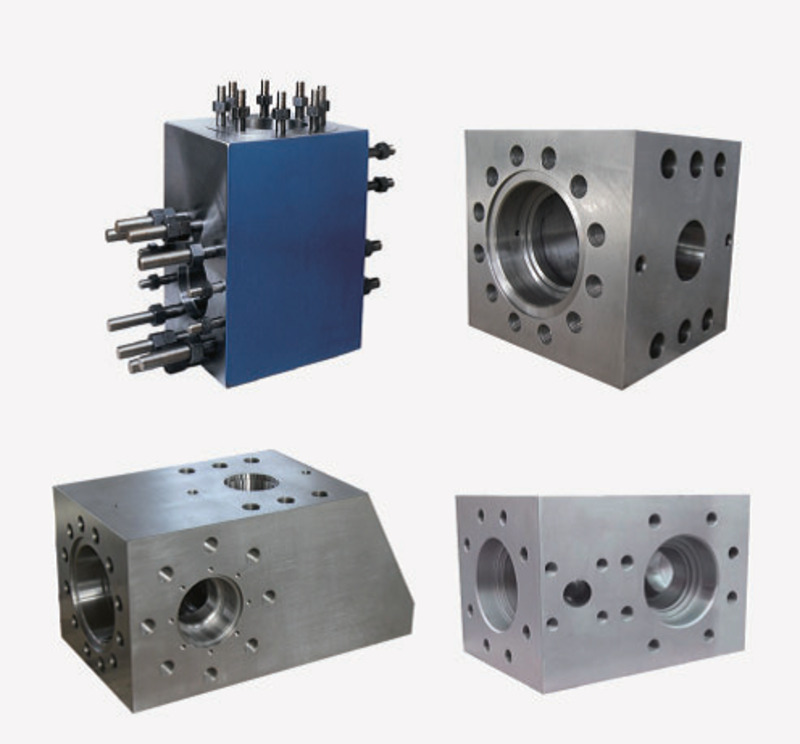

Warman pump parts work in slurry systems where abrasive solids, variable particle size and operating changes can make wear difficult to predict. For a buyer or maintenance team, the useful question is not simply, “Which part looks similar?” It is whether the replacement is correctly identified, suitable for the actual slurry and supported by a controlled inspection record. A disciplined process reduces ordering mistakes and helps teams plan a shutdown without making unsupported promises about service life.
What Counts as a Warman Pump Part?
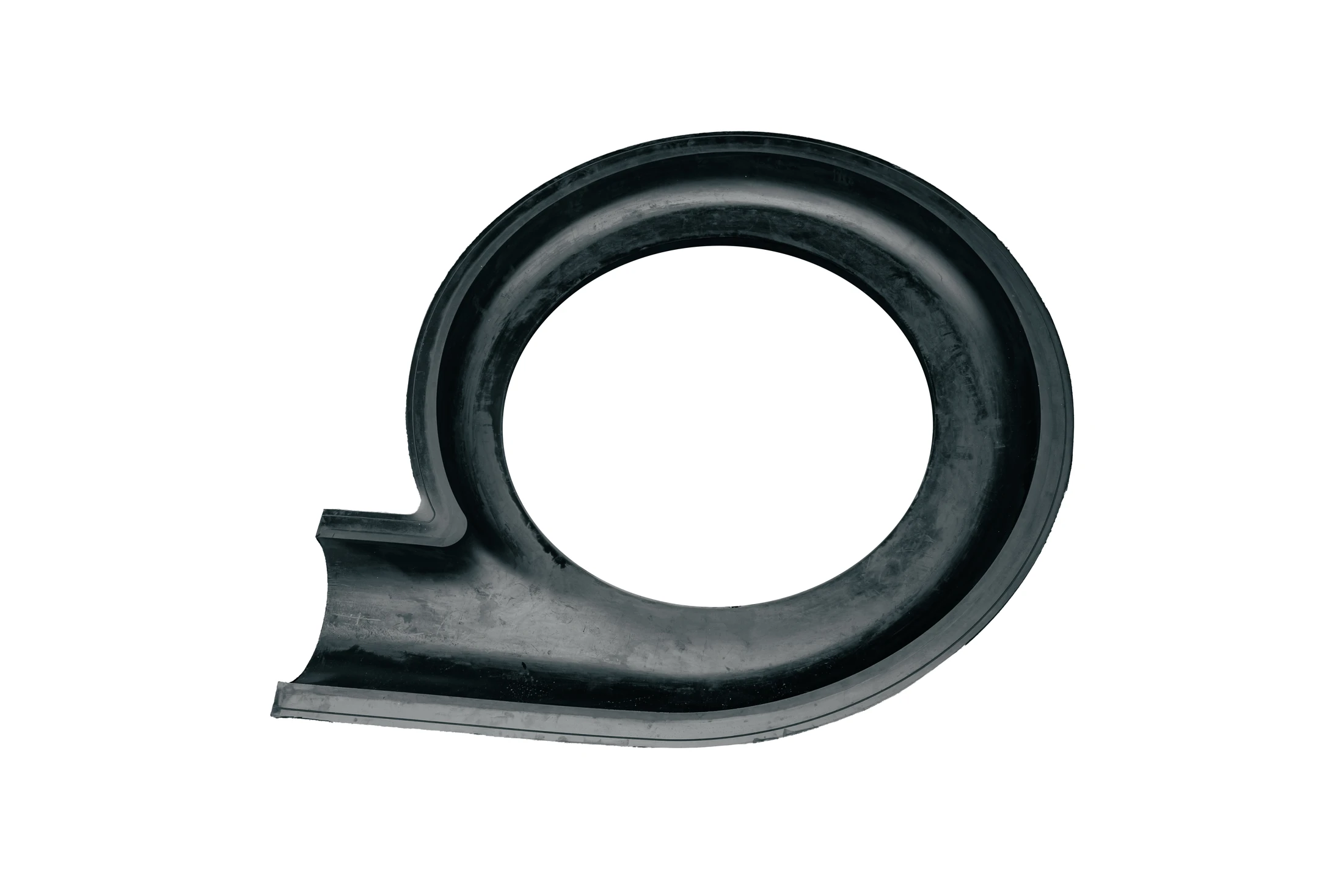
The parts list depends on the pump series, size and configuration. Typical wet-end items may include an impeller, throatbush, volute or casing liner, frame plate liner and cover plate liner. Other service items can include shaft sleeves, seal components, expellers, packing, bearings and hardware. Elastomer-lined and metal-lined arrangements are not interchangeable assumptions; the correct drawing and bill of materials must control the purchase.
Weir’s Warman horizontal slurry pump brochure illustrates how wear components, liner options, sealing arrangements and bearing assemblies vary across configurations. It is a useful reference for understanding component functions, but the installed pump identity remains the starting point for every quotation.
Trademark and sourcing note: Warman® is a trademark associated with Weir. This article uses the name only to identify the pump family. A claim that a part is genuine, OEM, authorized or compatible should be supported by the actual supplier’s documentation; appearance alone is not evidence.
Confirm the Pump Identity Before Requesting a Quote
Begin with the equipment nameplate and current maintenance records. Record the pump series, model, size, serial number when available, rotation and the installed wet-end arrangement. Also identify the seal type, drive arrangement and material code shown on the controlled drawing or previous purchase order.
Photographs help, but they should support rather than replace identifiers. Include clear images of the complete component, casting or moulded marks, bolt pattern and interfaces. If a used part is measured, note that wear, compression or distortion may have changed its dimensions. A visually similar impeller or liner can still have a different hub, vane geometry, fit or material.
For an initial product reference, buyers can review the site’s Warman pump parts product overview. Final selection should still be confirmed against the pump documentation and operating duty.
A Practical RFQ Checklist for Warman Pump Parts
- Pump series, model, size and serial number, copied from the nameplate.
- Part name, part number and drawing revision where available.
- Quantity required and whether the request is for planned stock or an urgent shutdown.
- Material designation from the existing documentation, not a color-based description.
- Slurry type, solids concentration information, particle characteristics and operating temperature when known.
- Seal arrangement, rotation and any configuration details that affect fit.
- Photographs of markings, mating surfaces and the wear pattern.
- A request for dimensional, material and quality records appropriate to the order.
This information lets the supplier identify uncertainties before manufacturing or dispatch. It also gives the purchaser an auditable basis for comparing quotations that may otherwise use different terminology.
Inspect Wear by Component and Failure Mode
Elastomer liners
Inspect rubber components for cuts, tears, separation, swelling, hardening and permanent deformation. Pay close attention to sealing faces, joints and areas where the liner may have moved. Surface appearance must be interpreted with operating history because chemical exposure, heat and stored strain can affect elastomers differently from abrasive wear.
Metal liners, casings and throat components
Look for localized thinning, grooving, cracking, corrosion and washout near high-velocity zones. Do not rely on a single visual check. Use repeatable thickness locations defined by the site or manufacturer, record the instrument and compare measurements with an approved baseline. Sharp worn edges and heavy parts require controlled handling.
Impeller and throatbush
Check vane condition, inlet wear, hub and threads or other retention features as applicable. Uneven wear can be a symptom as well as a part condition, so review operating point, clearances, alignment and feed conditions before treating replacement as the complete corrective action. The Weir discussion of the Warman WGR pump in abrasive sand service highlights replaceable wet-end components and adjustment as maintenance considerations, while the installed model’s manual must govern the actual procedure.
Shaft seals and bearings
Leakage, heat, noise or vibration may indicate a problem, but none identifies a root cause on its own. Inspect seal water conditions where applicable, shaft sleeve condition, lubrication, alignment and bearing history using the site’s approved procedures. Replacing a seal component without correcting the underlying condition can lead to repeated work.
Use Measurements and Trends, Not a Universal Wear Limit
There is no responsible universal replacement interval for all Warman pump parts. Wear rate changes with solids, particle shape, velocity, operating point, material, pump configuration and maintenance practice. Establish inspection points for the specific asset, measure them consistently and trend the results against running hours or processed duty.
Replacement criteria should come from the applicable manufacturer documentation, engineering assessment and site risk controls. A useful record includes the date, operating hours, measured values, photographs, observations and the person or instrument used. When conditions change, shorten the inspection interval until the new trend is understood. Never invent a remaining-life estimate from one isolated reading.
Select Material for the Slurry and the Component
Material selection is an engineering decision, not a choice between “metal” and “rubber” in isolation. Consider particle size and shape, solids loading, temperature, chemistry, impact and expected operating point. A material that performs well in one duty may be unsuitable in another. Ask the supplier to state the offered material designation and supporting specification, then confirm that it matches the approved requirement.
If changing material or geometry, document who approved the change and why. Do not treat marketing language, color or an unverified compatibility table as a substitute for traceability. For help assembling drawings, photos and service information, use the site’s service and parts enquiry.
Storage, Handling and Safe Replacement
Store parts clean, dry and protected from impact, contamination and conditions that may degrade the material. Support large liners to avoid distortion and keep identification attached to the correct item. Before installation, compare the delivered part with the purchase record, inspect interfaces and preserve any traceability documents.
Replacement work must follow the pump manual, site isolation procedure and approved lift plan. Stop the equipment, isolate all energy sources, prevent unexpected rotation, drain and depressurize the system, and verify the safe state before opening the pump. Heavy liners and worn metal edges can create lifting and cut hazards. Weir’s Warman MCR safety article describes the importance of engineered lifting tools and containment during maintenance. Use only procedures and lifting equipment approved for the installed model and site.
Build a Replacement Plan From Maintenance Records
A useful spare-parts plan links each stock item to a verified asset, lead time, inspection trend and consequence of failure. Separate routine wear items from configuration-dependent components, and review stock after pump modifications. Record removed-part condition and the reason for replacement so future purchases are based on evidence rather than memory.
For shutdown planning, confirm parts, fasteners, seals, tools, lifting points and responsible personnel before work starts. Include a contingency for unexpected interface damage, but do not order speculative “compatible” parts without identification. After assembly, complete the manufacturer- and site-defined checks before returning the pump to service.
Frequently Asked Questions
Can a photo identify a Warman pump replacement part?
A photo can narrow the search, but it should not be the only identifier. Supply the pump model, part number, markings, material and controlled dimensions whenever possible.
Are all Warman pump liners interchangeable?
No. Series, size, liner arrangement, material, interfaces and revisions can differ. Compatibility must be verified for the specific installed pump.
How often should wet-end parts be inspected?
Use the manufacturer’s guidance, site risk assessment and measured wear trend. Duties vary too widely for one inspection interval to be reliable for every pump.
When should a worn part be replaced?
Follow approved dimensional limits, condition criteria and engineering assessment for that model and duty. Do not infer remaining life from appearance or a single measurement.
What should buyers request from a supplier?
Request clear part identification, material designation, dimensional confirmation and the quality or traceability records required by the purchase specification. Ask the supplier to state whether the part is genuine OEM, authorized or aftermarket accurately.
Final Takeaway
Reliable procurement of Warman pump parts starts with exact asset identification and ends with a traceable maintenance record. Confirm the configuration, measure wear consistently, select materials for the actual slurry and follow approved safety procedures. That process gives buyers and engineers a defensible replacement decision without unsupported compatibility or service-life claims.