
URL: https://lcpumpliner.com/mud-pump-parts-essential-guide/
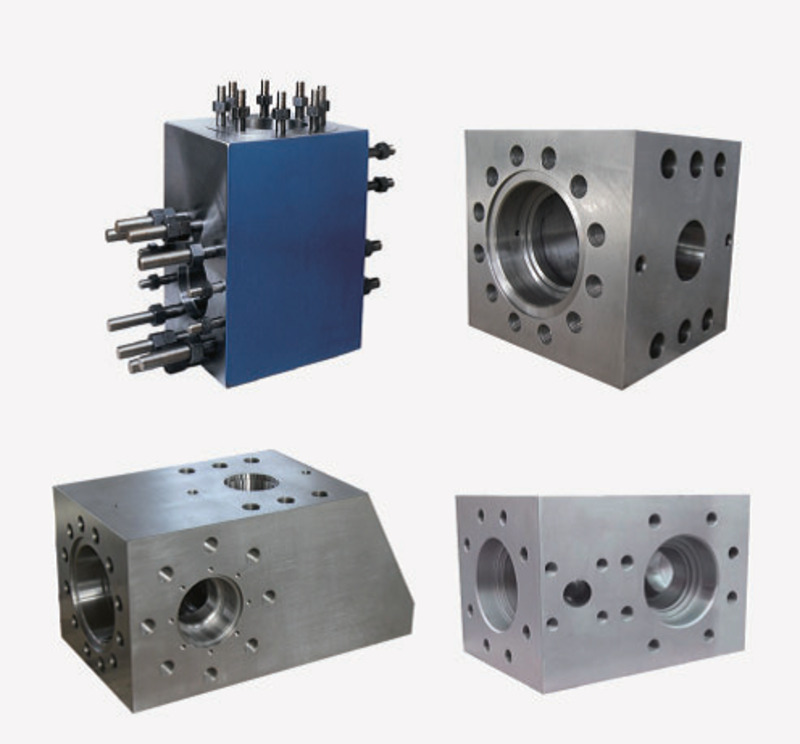
In the high-stakes world of oilfield drilling, mud pump parts are the unsung heroes that keep operations running smoothly. These components work tirelessly under extreme pressure to circulate drilling fluid, maintain wellbore stability, and ensure the safety of personnel and equipment. Understanding the key mud pump parts and their functions is essential for maximizing efficiency, minimizing downtime, and reducing operational costs.
Core Components of Mud Pumps and Their Functions
1. Liners: The Heart of Fluid Circulation
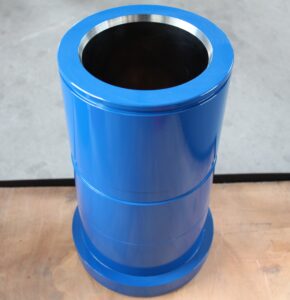
Liners are cylindrical components that form the inner chamber of the mud pump. Made from high-quality materials such as chrome-plated steel or ceramic, they provide a smooth surface for the piston to move within while maintaining a tight seal. This ensures efficient fluid transfer and prevents leakage, even under extreme pressure. Regular inspection and replacement of worn liners are crucial to maintain pump performance and avoid costly repairs.
2. Pistons: Powering Fluid Movement
 Pistons are reciprocating components that generate the pressure needed to circulate drilling fluid. Equipped with durable seals made from rubber or polyurethane, they move back and forth within the liners to create suction and discharge strokes. Pistons are subject to significant wear and tear due to constant friction and exposure to abrasive fluids, making regular maintenance and replacement essential for optimal performance.
3. Valves: Controlling Fluid Flow
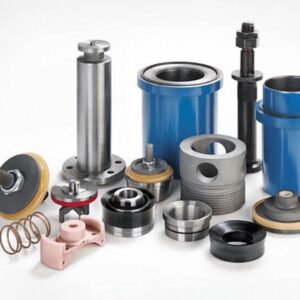
Valves are critical mud pump parts that regulate the flow of drilling fluid into and out of the pump’s cylinders. There are two main types of valves: suction valves and discharge valves. Suction valves open during the intake stroke to allow fluid to enter the cylinder, while discharge valves open during the compression stroke to release pressurized fluid. Properly functioning valves are essential for maintaining pump efficiency and preventing fluid backflow.
4. Valve Seats: Ensuring Tight Seals
Valve seats are precision-machined components that provide a secure seating surface for the valves. Made from hardened steel or other wear-resistant materials, they withstand constant impact and pressure to maintain a tight seal. Worn or damaged valve seats can lead to fluid leakage, reduced pump efficiency, and increased energy consumption. Regular inspection and replacement of valve seats are necessary to ensure optimal pump performance.
5. Connecting Rods: Transmitting Power
Connecting rods are mechanical components that transfer power from the pump’s crankshaft to the pistons. Designed to withstand high levels of stress and vibration, they play a critical role in maintaining pump reliability. Regular inspection for signs of wear, fatigue, or damage is essential to prevent catastrophic failure and ensure safe operation.
Applications of Mud Pump Parts in Different Drilling Scenarios
mud pump parts are used in a wide range of drilling applications, each with unique challenges and requirements. Here are some key scenarios where these components play a critical role:
Deep Well Drilling
In deep well drilling, mud pumps must generate extremely high pressures to circulate drilling fluid to the bottom of the wellbore. This puts significant stress on mud pump parts such as liners, pistons, and valves. High-quality, wear-resistant components are essential to withstand the demanding conditions and maintain pump performance over extended periods. For more information on selecting the right parts for deep well drilling, visit our comprehensive guide.
Offshore Drilling
Offshore drilling presents unique challenges due to the harsh marine environment and limited space on drilling platforms. mud pump parts used in offshore applications must be corrosion-resistant, lightweight, and easy to maintain. Specialized coatings and materials are often used to protect components from saltwater corrosion and extend their service life. For a detailed overview of offshore drilling equipment, check out this industry resource.
Directional Drilling
Directional drilling requires precise control of drilling fluid flow to navigate the wellbore along a specific path. mud pump parts such as valves and valve seats must be able to handle rapid changes in pressure and flow rates to maintain accurate directional control. Advanced monitoring systems are often used to track the performance of these components and ensure optimal operation. For the latest advancements in directional drilling technology, refer to this research article.
Maintenance Tips for Extending the Life of Mud Pump Parts
Proper maintenance is essential for extending the service life of mud pump parts and ensuring the reliable operation of mud pumps. Here are some key maintenance tips to keep in mind:
- Regular Inspection: Implement a routine inspection schedule to check for signs of wear, damage, or corrosion in all critical mud pump parts. Early detection of issues can prevent costly downtime and extend component life.
- Lubrication: Ensure all moving parts are properly lubricated to reduce friction and wear. Use high-quality lubricants recommended by the equipment manufacturer.
- Filter Maintenance: Regularly clean or replace drilling fluid filters to prevent abrasive particles from entering the pump and causing damage to mud pump parts.
- Proper Alignment: Ensure all components are properly aligned to reduce stress and vibration, which can lead to premature wear and failure.
- Training: Provide proper training to maintenance personnel on the correct procedures for inspecting, maintaining, and replacing mud pump parts.
By following these maintenance practices and using high-quality mud pump parts, you can maximize the performance and reliability of your mud pumps, ensuring efficient and cost-effective drilling operations.
Conclusion
mud pump parts are essential components that play a critical role in the success of oilfield drilling operations. By understanding the functions and applications of these components, and implementing proper maintenance practices, you can maximize efficiency, minimize downtime, and reduce operational costs. Whether you’re drilling deep wells offshore or navigating complex directional drilling paths, investing in high-quality mud pump parts is a critical step towards achieving success in the demanding world of oilfield operations.
For more information on mud pump parts and drilling equipment, visit our website or contact our team of experts for personalized advice and support.